

“They looked fine in the sample, but they become see-through when I squat.”
Squat proof leggings are not judged by the fabric laid flat on a table. They are judged when the fabric is stretched over the body, under the lighting a customer actually uses, in the movement that creates the most tension.
That is why “the fabric is too thin” is often an incomplete diagnosis. Sheerness can come from the fabric, the color, the size, the pattern tension, the panel direction, or the way the check was performed.
Before you change fabric or approve a bulk order, you need to answer one practical question:
Does the garment become sheer because the material cannot cover the body under the intended movement, or because this particular size and construction are stretching it beyond the condition it was designed for?
What squat proof leggings should mean for a small brand
“Squat proof” is a customer-facing promise, not one universal laboratory result. A light-colored legging, a compressive black legging, and a low-intensity Pilates legging may all be judged differently by their intended customers.
That does not make the promise meaningless. It means the brand must define the condition behind it: which color, which size, which movement, which underwear or base layer, and which lighting setup.
A practical check should recreate the use case. It should not be a dramatic hand stretch that no customer would create while wearing the garment.
Five reasons leggings can turn sheer
1. The fabric opens when it is extended
Stretch fabric changes its coverage as the loops or knitted structure are pulled apart. A fabric that looks opaque at rest may reveal more light when stretched across the hips and seat. The result can change with fabric weight, knit structure, color, finishing, and the amount of stretch demanded by the pattern.
This is a material-and-use interaction, not proof that the fabric is automatically defective. If the same material remains opaque in a smaller movement but not in a deep squat, the brand has found a performance boundary that must be decided, not hidden.
2. The garment is too tight for the intended wearer
Sometimes the fabric is acceptable in the base sample but the garment is being pulled much harder on a fuller hip, thigh, or seat. A customer may be between sizes, have a different waist-to-hip proportion from the fit model, or prefer a close fit that creates more tension than the pattern allows.
In this case, sizing advice may matter. But sizing advice cannot be used to excuse a style that becomes sheer for a large part of its target customer range.
3. The color makes the problem easier to see
Light, pale, and saturated colors may show more contrast when the material is extended. Under bright daylight or a fitting-room spotlight, a customer may see a problem that is difficult to notice under warm studio lighting. Black is not automatically safe either; surface shine and strong stretch can still reveal the body underneath.
4. The panel or fabric direction is wrong
Knitted fabrics can behave differently along different directions. If panels are cut against the intended direction, or if a style places the most stress across a weaker direction, the garment may lose coverage in one area while the fabric looks normal elsewhere.
5. The sample and bulk are not the same material
A fabric substitution, different dye lot, different finish, or a change in material weight can make the bulk garment perform differently from the approved sample. If the issue appears across multiple sizes and wearers only in production, do not start with customer size advice. First compare the physical sample with the bulk fabric and garment.
Do the smallest useful check first
Use one approved sample and one bulk or affected piece if available. Test the same size, color, and movement under the same lighting. A consistent photo or short video is more useful than several unrelated pictures.
Record:
- the garment size and the wearer’s usual size;
- the color and fabric lot, if known;
- the movement that creates the most stretch;
- the location where transparency appears;
- the lighting direction and whether a contrasting base layer is visible;
- whether the issue appears on one garment, one size, one color, or the full order.
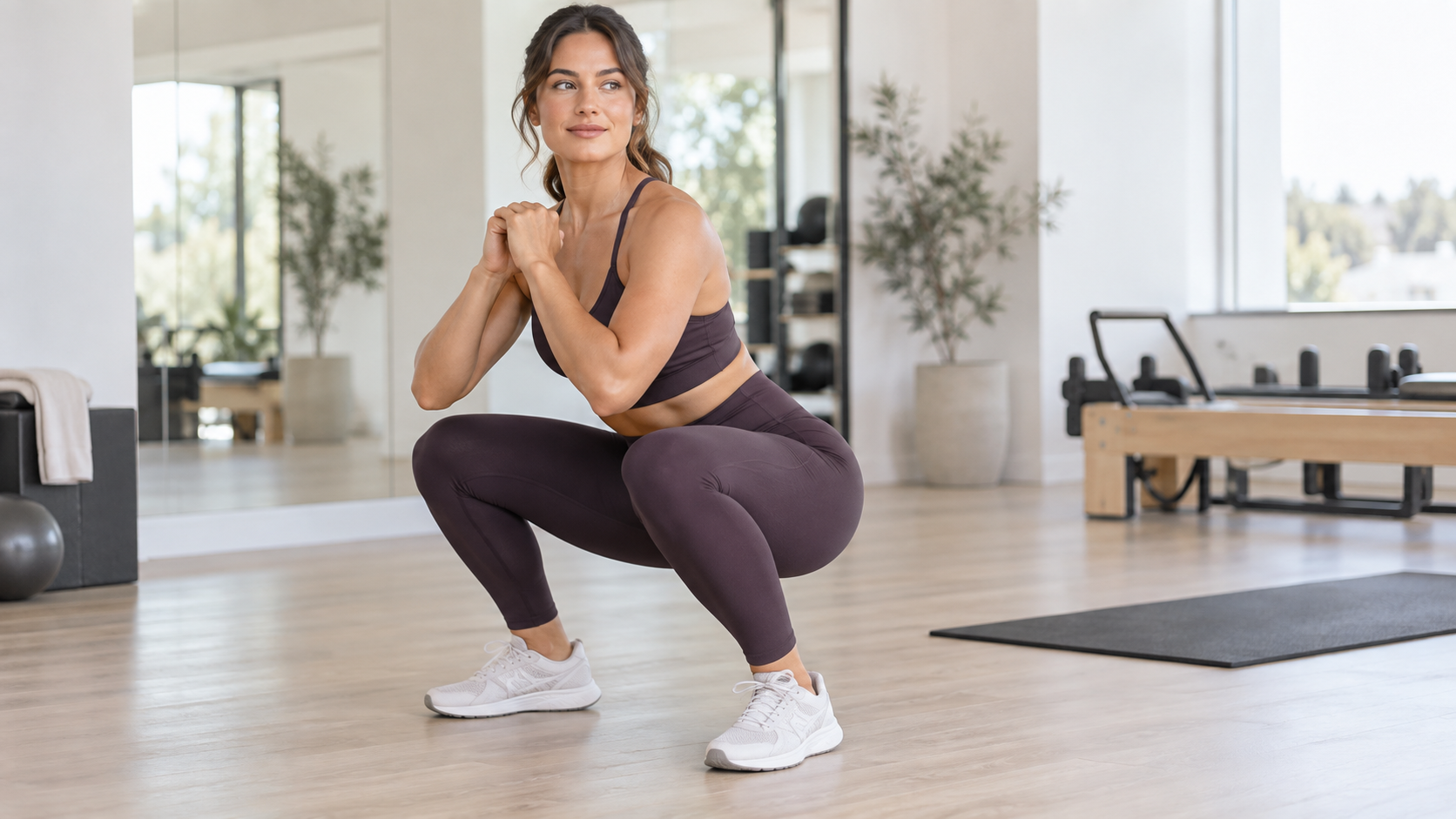
Test standing, a moderate squat, and the actual movement the customer cares about. Do not pull the fabric far beyond normal wear and then call that result a customer failure. On the other hand, do not approve a deep-squat product from a standing photograph.
For squat proof leggings, the useful record is simple: same size, same color, same movement, same lighting, and the same approved reference.
How to read the result
One wearer or one size only
If the approved sample and most garments perform normally, but one wearer or one size becomes sheer, investigate the relationship between body, size, and pattern tension. Try the adjacent size if the style allows it. If the garment works only when the wearer goes up a size, decide whether the product page and size range support that choice.
Several sizes or wearers, same location
If different bodies produce the same transparent area, the pattern or fabric is more likely to be the limiting factor. Hold the affected color or style while comparing the panel shape, fabric identity, and approved reference.
One color or production lot only
If black is fine but a light color fails, or the sample is fine while bulk fails, isolate the material and finishing difference before changing the entire product line.
Only under one extreme lighting setup
Do not dismiss the finding, but define the promise accurately. If a product is sold for studio movement, customers may still use it outdoors, under strong light, or while filming themselves. The most demanding realistic condition should guide approval.
What to do with affected goods
There are four possible actions, and they are not interchangeable.
- Release: the result matches the approved reference and the intended use condition.
- Sort: the issue is limited to a color, size, lot, or visible group.
- Change the promise: the garment is suitable for a different use or fit condition, and the product page can state that honestly.
- Hold or revise: the style fails under the movement and customer profile it is supposed to serve.
Adding lining, changing underwear guidance, or telling every customer to size up may reduce the visible complaint in some cases, but none of these fixes a fabric or pattern that cannot meet the original promise. Do not bury a material problem under styling advice.
How to prevent a squat-proof dispute before bulk
Write the check into sample approval. Keep the physical approved sample, a fabric cutting, the intended size, and a short movement video or photo set. Test at least the color and size combination with the highest risk rather than assuming the base black sample represents every version.
For ordinary small-batch work, a practical movement and lighting check may be enough to decide whether to proceed. If the brand makes a formal performance claim, supplies a retailer with testing requirements, or faces a dispute that ordinary screening cannot resolve, a defined third-party test may be appropriate. SGS explains that stretch and recovery testing can be selected according to the comfort, fit, and movement property being claimed; it should not be invented after a complaint appears.
Where a production partner can help
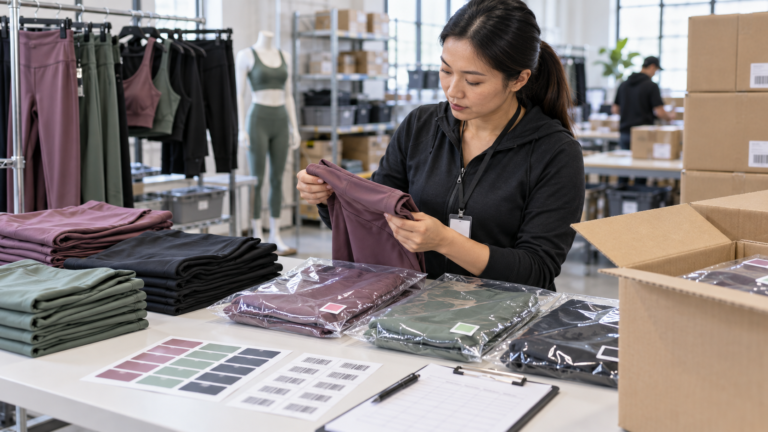
If the style is still at sample stage, Battlerobe may help compare the reference, fabric, size, color, and movement condition before bulk production. The relevant step is a small-batch custom development route when the pattern or fabric decision must change, not a generic inspection after the inventory is already finished.
Send the affected sample, the approved reference, the size and color, and a short video showing the movement that matters. The goal is to decide whether the next step is a fabric change, a pattern adjustment, better size guidance, or a hold on production.
Final decision
Squat proof leggings are approved in motion, not on a flat table. Check the same body condition, movement, lighting, size, color, and material before deciding that the problem belongs to the customer or the factory.
A small brand does not need a laboratory for every sample. It does need a clear promise and a repeatable check. That is what turns “these leggings look sheer” into a production decision.