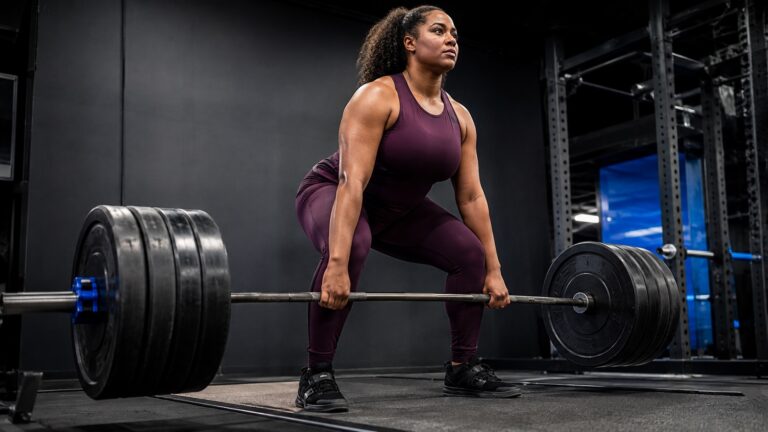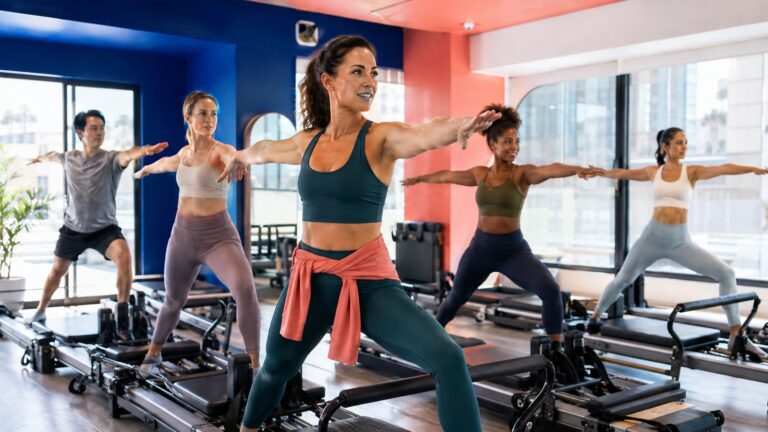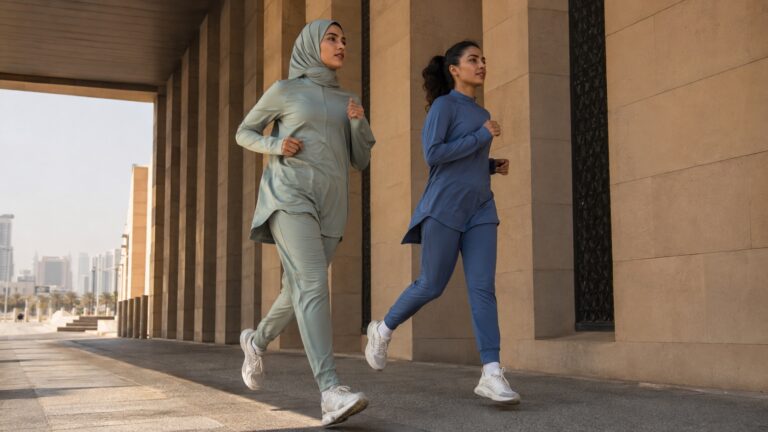


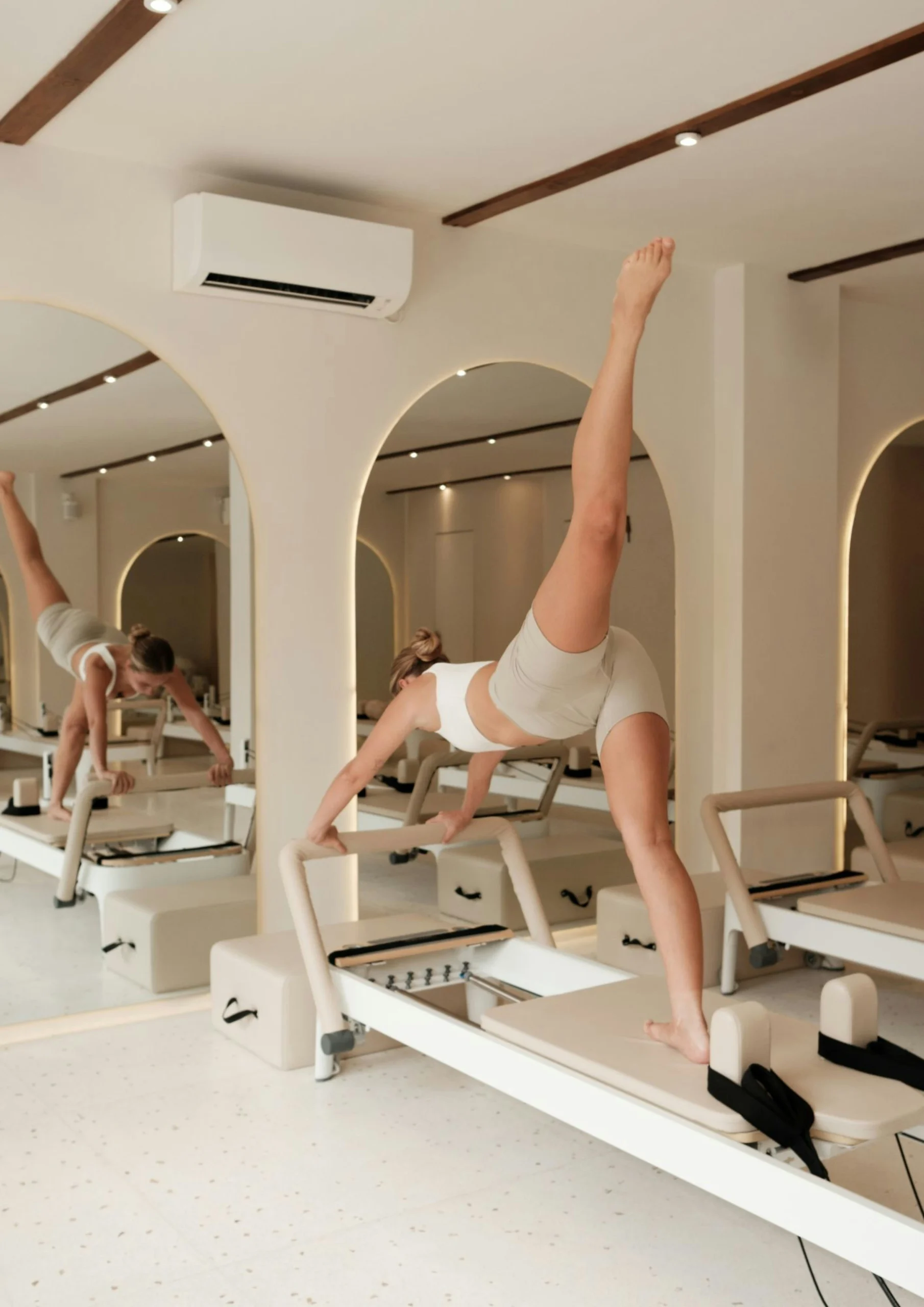
For yoga and Pilates brands, understanding activewear trends is not just about following popular colors or copying bestselling styles. The most useful trends help brands understand how customers are buying, where products are being worn, which styles can become a collection, and which directions are worth testing before deeper development.
For new and growing activewear brands, trend research should go beyond the question of “Does this look good?” A better question is: Does this trend fit our target customer, our brand stage, our budget, and our production route?
Below are several activewear trends worth watching when planning your next yoga, Pilates, fitness, or lifestyle apparel collection.
1. Studio-to-Street Activewear Is Becoming More Important
Many customers no longer buy yoga or Pilates apparel only for class. They want clothing that works in the studio, at the gym, during travel, in coffee shops, and in daily outfits.
This is why the line between activewear and athleisure continues to blur.
For brands, this means products need to balance function and styling. A sports bra may not only be worn as an inner layer. It may be styled with jackets, tanks, shirts, or open-back tops. Leggings are not only workout bottoms. They can also become part of an everyday look.
Product directions worth considering include:
Clean-line sports bras
Tanks and crop tops for layering
High-waist leggings and biker shorts
Lightweight jackets or cover-ups
Active skirts and one-piece jumpsuits
These styles are easier to build into a complete collection and can help customers wear your products across more occasions.
You can also explore Battlerobe’s activewear product categories to see how different product types can work together in a ready-to-custom collection.
2. Soft Performance Matters More Than Ever
In many yoga, Pilates, and light fitness scenarios, customers are paying more attention to comfort, softness, movement, and long-wear feel.
This does not mean performance is no longer important. It means performance is being expressed in a softer, more wearable way.
Yoga and Pilates customers often care about:
Soft hand feel
Comfortable stretch
Stable but not restrictive fit
Waistband comfort
Light to medium support
Freedom of movement
All-day wearability
For brands, this trend can become clearer product language. Phrases such as “soft touch,” “light support,” “second-skin feel,” “studio comfort,” and “everyday stretch” can help customers understand the product experience.
However, these claims need to be supported by real product quality. Fabric feel, fit, stitching, elasticity recovery, and sizing all affect whether customers truly experience the product as comfortable.
If your brand is still testing the market, it may be more practical to start from existing ready-made styles instead of investing immediately in full fabric or pattern development.
3. Matching Sets Still Create Strong Market Opportunities
Matching activewear sets remain one of the most important opportunities for yoga and Pilates apparel brands.
For customers, matching sets reduce styling effort. They look complete, photograph well, and are easy to share on social media. For brands, matching sets can increase average order value and make the collection feel more professional.
Common matching set ideas include:
Sports bra + leggings
Sports bra + biker shorts
Tank top + leggings
Top + active skirt
Jacket + sports bra + leggings
New brands do not need to launch too many sets at once. A better approach is to choose a few core styles and create a consistent visual direction through product selection, photography, logo placement, hang tags, and packaging.
For brands that want to launch faster, Battlerobe’s Small-Batch Ready-to-Custom route can help you choose from existing activewear designs and customize brand details such as logo, hang tags, logo packaging bags, and shipping bags.
This is especially useful for brands that want to test matching sets before moving into original product development.
4. Pilates-Inspired Apparel Continues to Grow
Pilates has influenced not only fitness routines, but also activewear aesthetics.
Compared with traditional gymwear, Pilates-inspired activewear often feels cleaner, softer, more elegant, and more lifestyle-oriented. It usually relies on refined silhouettes, low-saturation tones, fitted shapes, and a polished studio look.
Product types that fit this direction include:
Minimal sports bras
Fitted tanks
High-waist leggings
Short tops
Active skirts
One-piece jumpsuits
Lightweight outer layers
This trend is useful for new brands because it does not always require complicated technical features. Instead, it depends on styling, product coordination, photography, color direction, and brand feeling.
For yoga and Pilates apparel brands, Pilates-inspired styling can become a clear collection theme rather than just one single product choice.
5. Low-Risk Product Testing Is Becoming More Practical
Activewear trends change quickly, but new brands should not invest heavily in every trend from the beginning.
Many early-stage brands want to customize fabrics, create original colors, change patterns, and develop many styles at once. While this can create a more unique product line, it also increases cost, timeline, sampling work, and inventory risk.
A more practical approach is to test the market first.
Ready-to-custom activewear allows brands to choose from existing designs and focus on brand customization. This can help test:
Which styles customers respond to
Which sizes are requested most often
Which available colors perform better
Whether customers accept the target price range
Whether logo and packaging improve brand perception
Which products are worth reordering
For Battlerobe’s ready-to-custom route, brands can customize logo, hang tags, logo packaging bags, and shipping bags. Fabric, color, and pattern cutting changes are not supported for this route.
The MOQ starts from 20 pieces per design, with mixed sizes and available colors supported. The minimum order quantity per order is 60 pieces.
This makes it a practical option for startups, small brands, and market testing before moving into deeper product development.
6. Product Categories Are Becoming More Flexible
Activewear brands no longer need to rely only on the traditional combination of sports bras, leggings, and tops. Many brands are building more flexible product lines around customer lifestyle and styling needs.
For example:
Sports Bras: suitable for yoga, Pilates, light training, and daily layering
Tops: useful for styling, training, and lifestyle collections
Shorts: suitable for summer, gym, and home workout scenarios
Leggings: still a core activewear category
Skirts: useful for tennis-inspired, Pilates-inspired, and lifestyle styling
Jackets: help complete the collection and raise product value
Jumpsuits: create stronger visual identity and brand memory
This means brands should not only chase one bestselling item. They should also think about how product categories work together.
A strong activewear collection should encourage customers to buy another piece, not just one product.
7. Branding Details Are Becoming More Important
When many products look similar in the market, brand details become more important.
Customers may first notice the product image, color, and silhouette. But the details that make a product feel like a real brand often include:
Logo placement
Hang tags
Logo packaging bags
Shipping bags
Product naming
Photography style
Website presentation
Catalog layout
This is especially important for ready-to-custom activewear. If a brand only selects existing styles without adding clear brand elements, the products may still look generic. But if logo, hang tags, packaging, and visual presentation are consistent, even ready-made styles can become part of a more professional brand collection.
For new activewear brands, these details can make the first product launch feel more complete and trustworthy.
8. Trends Should Lead to Clear Production Decisions
Following a trend is only useful when it leads to better product decisions.
Before choosing a trend, brands should ask:
Does this trend fit our target customer?
Can this style become part of a collection?
Can we test it with a lower starting quantity?
Does it support our brand positioning?
Can it be reordered or expanded later?
Do we need ready-to-custom styles or original development?
If your brand is still validating the market, ready-to-custom styles may be enough to test direction. If you already have a clear product idea and need unique fabric, color, fit, or pattern development, then Small-Batch Custom Development may be more suitable.
If your brand has stable order volume and clear product specifications, Bulk Custom Production may be a better route.
You can also compare Battlerobe’s three production routes on the Solutions page.
Conclusion
Activewear trends for yoga and Pilates brands are not only about fashionable colors or popular silhouettes. They reflect how customers live, move, shop, and build wardrobes around activewear.
Studio-to-street styling, soft performance, matching sets, Pilates-inspired apparel, low-risk testing, flexible product categories, and strong branding details are all worth watching.
For new and growing activewear brands, the key is not to follow every trend. The key is to choose trends that match your customer, your product stage, and your production capacity.
If you are planning a yoga, Pilates, fitness, or lifestyle activewear collection, Battlerobe can help you choose between ready-to-custom styles, small-batch custom development, and bulk custom production based on your target quantity, branding needs, and launch timeline.
Explore our activewear product categories, compare the right production route, or send your project details through Start Your Project.