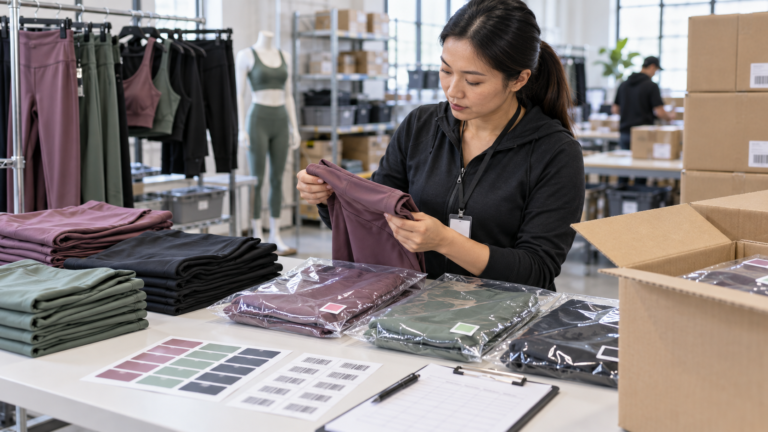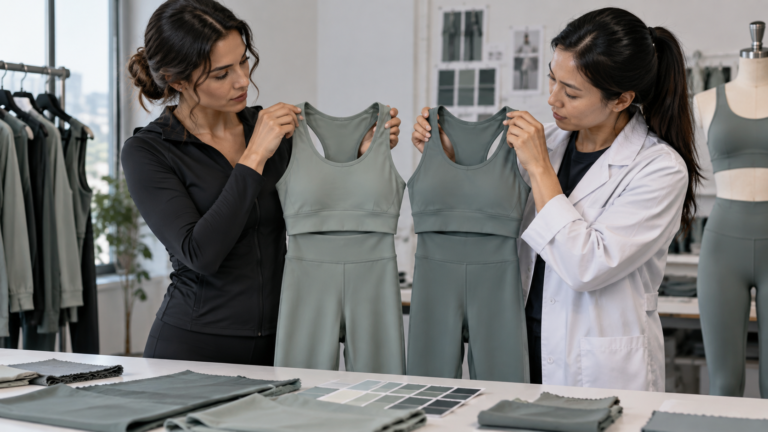


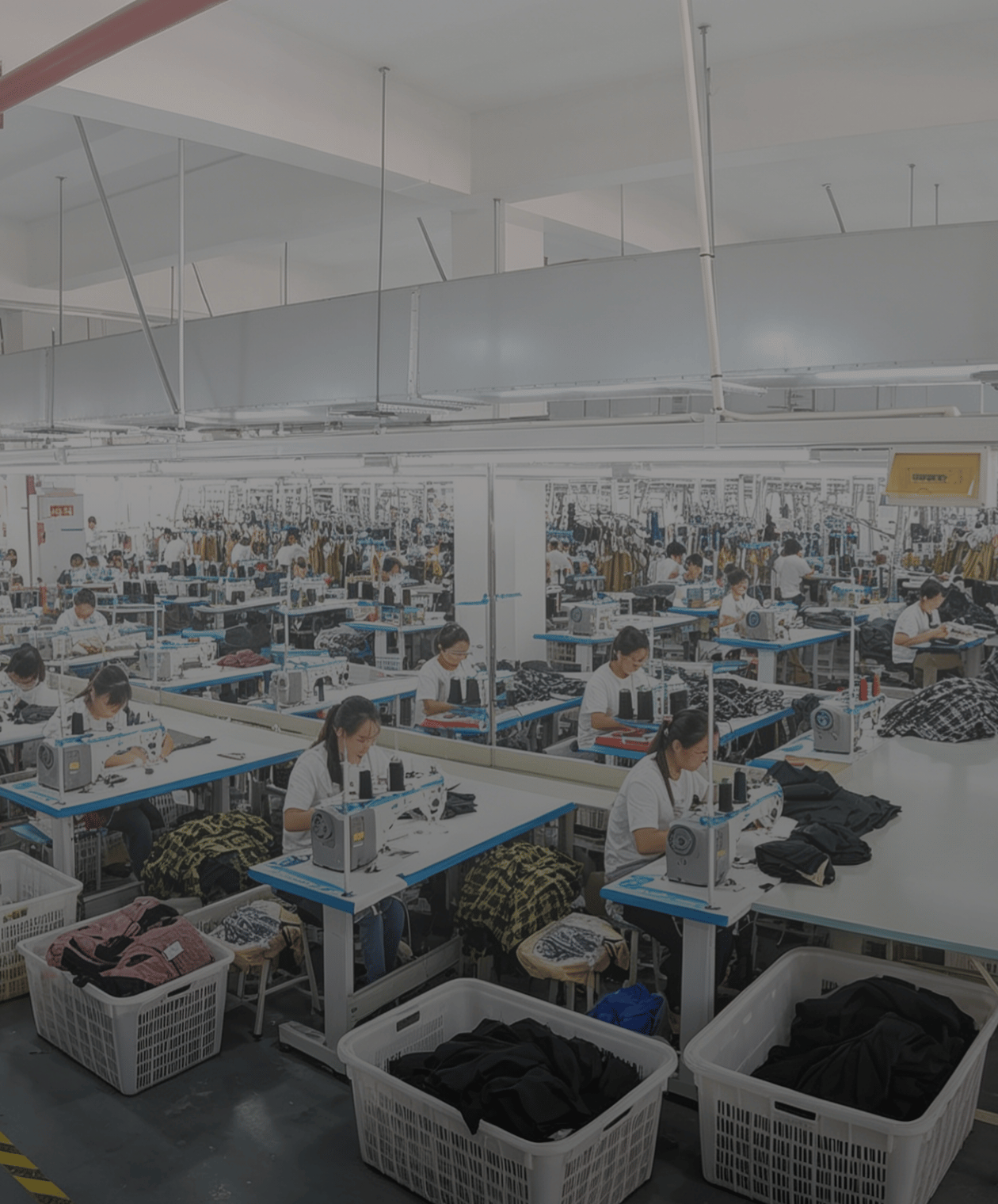
Starting activewear production is not only about choosing a style and placing an order. For yoga, Pilates, fitness, and lifestyle apparel brands, production quality depends on many small details that should be confirmed before manufacturing begins.
A sports bra may look simple, but support, fabric stretch, seam placement, logo position, size ratio, packaging, and inspection details can all affect the final result. A pair of leggings may seem like a basic product, but waistband height, fabric opacity, stitch quality, and size consistency can make a big difference in customer experience.
For new and growing activewear brands, a clear production checklist can help reduce mistakes, improve communication, and make the production process easier to follow.
Below are the key details buyers should check before starting activewear production.
1. Confirm the Production Route First
Before checking product details, brands should confirm which production route they are using.
Different routes allow different levels of customization.
For example, Battlerobe’s Small-Batch Ready-to-Custom route is suitable for brands that want to start from existing activewear designs and customize brand elements such as logo, hang tags, logo packaging bags, and shipping bags.
For this route, fabric customization, color customization, and pattern cutting changes are not supported. The MOQ starts from 20 pieces per design, with mixed sizes and available colors supported. The minimum order quantity per order is 60 pieces.
If your project needs original fabric, color, pattern, fit, or structural development, Small-Batch Custom Development may be more suitable.
For larger and more stable order volumes, Bulk Custom Production is usually a better fit.
Choosing the right route first helps avoid unrealistic expectations and unnecessary delays.
2. Check Fabric Before Confirming the Order
Fabric is one of the most important parts of activewear production.
For yoga and Pilates apparel, buyers often care about softness, stretch, recovery, comfort, and how the fabric feels against the skin. For fitness and training apparel, buyers may care more about support, durability, compression, and performance.
Before production starts, buyers should confirm:
Fabric composition
Fabric weight
Stretch direction
Hand feel
Opacity
Color availability
Fabric stability
Care instructions
For leggings and shorts, opacity is especially important. A fabric may look good on the table, but it still needs to perform when stretched and worn.
For sports bras, fabric support and recovery can affect both comfort and fit.
If the product is ready-to-custom, the fabric is already decided by the existing style. In that case, buyers should check whether the existing fabric matches their target customer and product positioning.
If the product is custom developed, fabric selection should be confirmed carefully before sampling and production.
3. Review Fit and Size Details
Fit is one of the biggest factors in activewear customer satisfaction.
Even when the fabric is good, poor fit can lead to returns, negative reviews, and customer complaints. This is especially important for products such as sports bras, leggings, biker shorts, and jumpsuits.
Buyers should check:
Size range
Size chart
Body measurements
Garment measurements
Fit preference
Waistband height
Length
Support level
Coverage
For sports bras, check whether the support level fits the intended use. A light-support bra may work well for yoga or Pilates, but may not be suitable for high-impact training.
For leggings, check waistband height, crotch comfort, inseam length, and fabric recovery after stretching.
For skirts, shorts, and jumpsuits, check movement comfort and coverage.
A clear size plan helps the supplier prepare production more accurately and helps the brand communicate better with customers.
4. Confirm Logo Placement and Branding Details
Logo and branding details can make a product feel more professional, but they must be confirmed clearly before production.
Buyers should confirm:
Logo position
Logo size
Logo color
Logo technique
Hang tag design
Packaging bag design
Shipping bag requirements
Label information
For activewear, logo placement should not affect comfort, stretch, or appearance. A logo that looks good on a flat sample may look different when the garment is worn.
For ready-to-custom products, branding usually focuses on logo, hang tags, logo packaging bags, and shipping bags. These details help existing styles look more like a real brand collection.
For custom development or bulk production, branding details may also include woven labels, heat transfer labels, silicone logos, embroidery, or other techniques depending on the project.
Before production starts, all artwork files and logo positions should be confirmed.
5. Check Color and Size Ratio Before Production
Color and size ratio directly affect inventory planning.
For ready-to-custom styles, buyers can usually choose from available colors, but cannot create new custom colors under that route. Mixed sizes and available colors can help brands build a more flexible first order.
Before placing an order, buyers should decide:
Which available colors to include
How many pieces per color
Which sizes to include
How many pieces per size
Whether the size ratio matches target customers
For example, a brand targeting yoga and Pilates customers may need a different size mix from a brand targeting gym training or lifestyle activewear customers.
New brands should avoid choosing too many colors in the first order. A focused color plan is easier to manage and easier to test.
6. Review Sample or Product Images Carefully
Before production begins, buyers should carefully review the sample or confirmed product images.
This is not only about checking whether the style looks good. It is about confirming whether the product matches the final order requirement.
Check:
Front view
Back view
Side view
Close-up details
Logo placement
Color accuracy
Fit appearance
Packaging details
If the product is a custom-developed style, sample approval is very important before moving into production.
If the product is a ready-to-custom style, buyers should check the existing design images, available colors, size details, and customization options before confirming the order.
Clear visual confirmation helps reduce misunderstanding.
7. Confirm Packaging Before Shipment
Packaging is often underestimated, but it is part of the customer experience.
For activewear brands, packaging can help create a stronger brand impression, especially for online sales.
Buyers should confirm:
Individual packaging bag
Logo packaging bag
Hang tag
Size sticker
Shipping bag
Barcode or SKU needs
Carton packing method
For small-batch ready-to-custom orders, logo packaging bags and shipping bags can help make the products feel more branded, even when the garment style comes from an existing design.
For larger orders, carton labels, SKU organization, and packing lists should also be checked to make warehouse receiving easier.
8. Set Clear Inspection Points
Quality inspection should not only happen at the end. For better production control, important details should be checked throughout the process.
Common activewear inspection points include:
Fabric condition
Cutting accuracy
Stitching quality
Seam strength
Logo position
Size measurements
Color consistency
Packaging accuracy
Final appearance
For sports bras, inspection may also include strap stability, cup position, and elastic comfort.
For leggings and shorts, inspection may include waistband construction, crotch seam, opacity, and stretch recovery.
For jackets and jumpsuits, zipper, seams, pocket position, and fit details may need extra attention.
A clear inspection process helps reduce avoidable mistakes before shipment.
9. Confirm Timeline and Communication Process
Production quality is not only about the physical product. It also depends on communication.
Before starting production, buyers should confirm:
Order confirmation date
Material or stock confirmation
Logo confirmation
Packaging confirmation
Production timeline
Inspection time
Shipment schedule
Main contact person
Communication method
A clear timeline helps both the brand and supplier follow the same expectations.
If a launch date is important, tell the supplier early. If the product is needed for a campaign, product shoot, trade show, or seasonal launch, the production and shipment plan should be checked carefully.
10. Prepare for Reorder and Future Development
The first production order should also prepare for future decisions.
After receiving the products, brands should track:
Best-selling styles
Best-performing sizes
Best-performing colors
Customer feedback
Product return reasons
Packaging feedback
Reorder potential
New development ideas
This information helps the brand plan the next order more accurately.
For example, if one sports bra style performs well, the brand may reorder it, add matching leggings, or move into deeper custom development later. If customers ask for different fabric, fit, or color options, the brand may consider a custom development route for the next collection.
Production is not only about completing one order. It is also part of building a stronger product system.
Activewear Production Checklist Summary
Here is a simple checklist buyers can use before starting production:
Production route confirmed
Fabric or existing style confirmed
Size range confirmed
Color plan confirmed
Logo placement confirmed
Hang tags and packaging confirmed
MOQ and order quantity confirmed
Sample or product images reviewed
Inspection points confirmed
Shipment timeline confirmed
This checklist can help buyers reduce confusion and make the production process easier to manage.
Conclusion
Activewear production quality depends on many details, from fabric and fit to logo placement, packaging, inspection, and shipment planning.
For new and growing yoga, Pilates, fitness, and lifestyle apparel brands, checking these details before production can reduce risk and improve the final result.
A clear production checklist helps brands communicate better with suppliers, avoid unnecessary mistakes, and prepare for future reorders.
If you are preparing an activewear order, Battlerobe can help you review your product type, target quantity, customization needs, packaging requirements, and production route.
Explore our Products, compare the right production route, or send your project details through Start Your Project.