

Petite activewear is usually treated as a length problem: take a regular legging, remove a few inches, and offer the result as a short inseam.
For many women, that is enough. A 7/8 legging can become full length, and a tailor can fix a simple hem.
But that convenient solution hides a more specific opening. Women roughly 4’10” to 5’3″ may also encounter a rise that reaches too high, a waistband that folds on a short torso, a knee panel or flare that starts too low, pockets that distort the hip line, or contour details that frame the wrong part of the body. Shortening the ankle does not relocate the architecture above it.
The market opportunity is therefore not “more petite sizes.” It is a proportion-first activewear system whose rise, knee break, pocket, torso length, and visual details are built around a shorter frame—and whose value is proven against an ordinary shortened block before the founder buys inventory.
The first test can be one legging, one color, and one controlled fit comparison.
Joah Brown reveals why fit can become a brand code
Our analysis of Joah Brown’s brand strategy argued that apparently simple essentials can become recognizable when a company repeats a coherent relationship between fabric, neckline, waistband, body length, and styling layer.
That case does not prove a petite activewear market. Joah Brown does not need to be copied, and “better fit” remains too broad to be useful. The case reveals a mechanism: fit becomes commercially memorable when customers can experience the same point of view across products.
Petite proportions expose where that mechanism is still incomplete. A sculpting seam, V-waist, flare, pocket, or longline top may be designed precisely on a regular block, then become visually and physically different when worn on a shorter torso or leg. The product detail survives; its intended position does not.
A useful founder exercise: photograph one current sample on three wearers of the same nominal size but different heights and torso-to-leg ratios. Mark the waistband top, crotch, pocket center, knee, and intended hem. If the design’s key lines migrate noticeably, the problem may be proportion rather than size.
The petite activewear problem is not one body shape
Petite sizing generally refers to height, not thinness. Academic work on petite body measurements has repeatedly warned against treating smaller women as uniformly scaled-down regular bodies.
A study comparing petite and regular measurements using SizeUSA data categorized several petite body shapes and proposed different primary measurements for improved sizing. A separate 3D body-scan study of petite South African women concluded that existing sizing should be revised to accommodate body-dimension and shape variation. The geography, age ranges, and garment categories limit how far either study can be generalized, but both support the same practical caution: height alone is not a pattern.
This matters because a founder can easily replace one bad assumption with another. “Women under 5’3″ need a shorter rise” may be true for one fit cluster and wrong for another. Some petite women have relatively long torsos and short legs; others have short torsos, fuller hips, muscular thighs, or longer legs relative to height.
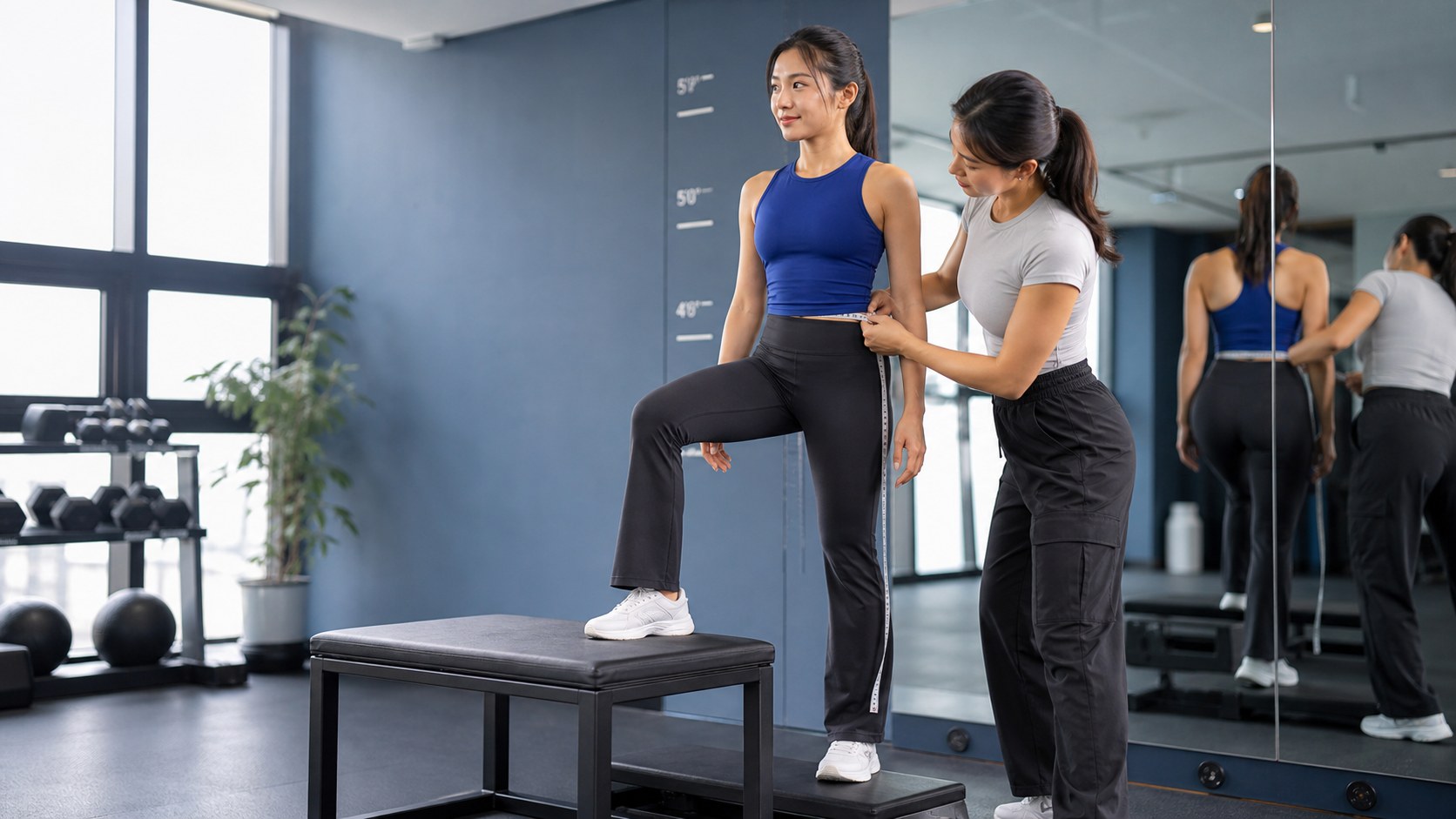
Do not recruit a fit panel by height alone. For the first discovery round, record height, waist and hip measurements, inseam, front and back rise preference, torso length, thigh/calf shape, and the product each person already wears successfully. The purpose is not to invent a universal petite chart. It is to identify the first coherent customer cluster your opening product can serve.
A strong opening customer might be: “women 4’11″–5’2″ with a short torso who strength-train and find high-rise sculpting leggings fold at the waist while contour and knee lines sit too low.” That sentence can guide a sample. “Petite women want better activewear” cannot.
Current offers prove the problem exists—and make a weak entry less attractive
This is not empty territory. Avo Activewear says every product is designed for women 5’3″ and under, adjusting rise, knee placement, pocket position, and overall proportions rather than merely shortening a regular garment. Its current storefront spans leggings, flares, tops, shorts, joggers, and hoodies, and it publishes more than 1,300 customer reviews.
MAÄT’s petite 1.0 legging similarly states that the knee placement, rise, and inseam are changed for women 5’4″ and under. ASOS 4505 sells petite active flares. Athleta’s current Salutation listing offers 25-inch petite, 27-inch regular, and 30-inch tall inseams.
These are company product claims and current assortment observations, not audited proof of category demand. Still, they change the strategic question. A founder cannot win by announcing “petite leggings exist.” They already do.
The opening must be narrower:
- a proportion problem current petite offers still combine too broadly;
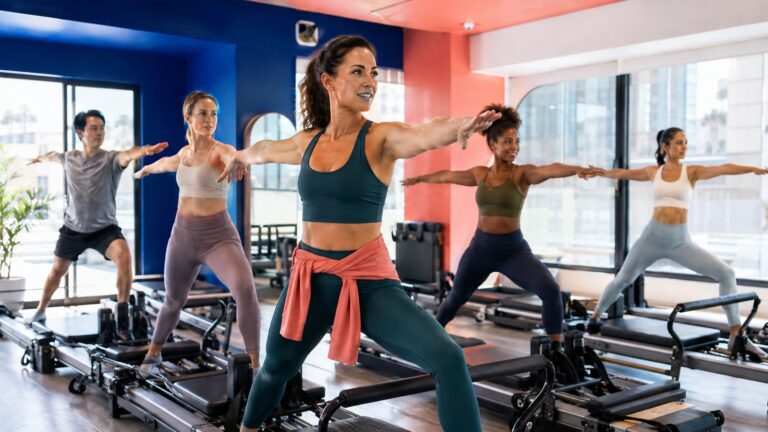
- an activity such as strength training, running, or reformer Pilates that changes the fit requirement;
- a body effect—sculpting, relaxed studio, modest coverage, or fashion flare—that becomes visibly wrong when the key line is misplaced;
- a geography or community where true proportion-led options remain hard to access.
Competitive test: buy or borrow three products before drawing your own—one mainstream 7/8 legging, one dedicated petite legging, and one current favorite named by your target wearer. If you cannot describe the unresolved difference after wear-testing them, do not commission a pattern yet.
A one-week petite activewear fit sprint should come before a pattern
The first practical step is not a survey asking whether petite activewear sounds useful. Stated interest is cheap, and the word “petite” means different things to different bodies.
Recruit a directional group of eight to twelve women from one activity context and the first fit cluster you believe you understand. This is not a representative sample or a demand forecast. Ask each participant to bring one fitted bottom she keeps wearing and one she avoids. Photograph or record the same landmarks on both garments: waistband top, front and back rise, crotch, pocket or contour center, knee, flare break, and hem.
During one movement session, note every unprompted pull, fold, roll, smooth, or cuff. Then ask what the adjustment was trying to fix and whether the wearer has already found a satisfactory workaround. End the week with a fit-friction map, not a list of compliments.
Pay for a custom petite block only when three conditions are visible in the evidence:
- the same misplaced relationship appears across more than one wearer in the chosen cluster;
- the problem survives comparison with a mainstream short length and a dedicated petite option;
- wearers care enough about the difference to replace, preorder, or return for a comparative sample fitting.
If the evidence splits by torso or leg proportion, narrow the first customer instead of averaging incompatible bodies into another generic block.
Flares make proportion visible faster than basic leggings
A plain ankle legging can hide proportion errors because stretch absorbs them. A flare cannot hide the knee break as easily. If the flare begins too low, the leg can look shortened, fabric may collapse around the calf, and the intended silhouette changes. If the rise is too long, the wearer may fold the waistband, changing both support and visual proportion.
That makes a slight flare an unusually informative opening product. It combines a visible fashion outcome with measurable fit decisions:
- front and back rise;
- waistband depth and position;
- crotch depth and mobility;
- knee location;
- flare start and sweep;
- inseam and shoe relationship;
- pocket or contour placement.
A basic legging may be the larger commercial category, but a flare can reveal whether the brand truly understands petite architecture. It is also easy to explain in content: show the same inseam with two different knee breaks and let the customer see what “proportion-first” means.
Product decision: if the brand cannot make its petite advantage visible in a front, side, and movement comparison, it is probably selling a hidden technical cost that customers will not value enough.
The best MVP compares two blocks with the same inseam
“Launch small” is not a sufficient instruction. The first sample round should isolate the assumption.
Build or alter two leggings with the same fabric, color, nominal size, waistband concept, and finished inseam:
- Version A: a regular block shortened to the target inseam.
- Version B: a petite block that also revises rise, knee break, pocket or contour location, and lower-leg shape for the selected fit cluster.
Do not change compression, fabric handfeel, seam styling, and color at the same time. If Version B wins, the team should know that proportion—not a softer textile or more attractive sample color—caused the preference.
Ask participants to squat, lunge, sit, walk stairs, and complete the movement their activity requires. Record:
- where they pull, fold, or smooth the garment without prompting;
- whether the waistband rolls or reaches the ribcage;
- whether the crotch and knee lines stay aligned;
- whether the flare or taper begins at the intended position;
- whether pockets remain usable and visually balanced;
- which version they would replace an existing favorite with.
Continue if the proportion-led version wins consistently for a repeated, explainable reason. Revise if it solves length but creates pressure, mobility, or hip-shape problems. Stop if participants cannot distinguish it from a mainstream 7/8 product or will not switch at the required price.
A petite fit system creates an inventory problem before it creates a collection
A dedicated pattern is only the beginning. Every new length, rise, size, color, and silhouette multiplies inventory. The temptation is to prove seriousness with a full “petite range.” That can turn a useful fit idea into too many unproven SKUs.
The opening assortment should behave like a ladder:
- Hero fit: one legging or slight flare that makes the proportion advantage visible.
- Upper-body confirmation: only after demand, test whether strap, armhole, neckline, and torso-length problems repeat.
- Occasion extension: add shorts, joggers, or layers only when customer behavior shows the next unresolved moment.
Colors should be even more disciplined. Begin with the color most likely to produce honest fit feedback, not the palette most likely to fill an Instagram grid. A black or dark neutral sample makes construction easier to compare; a later color test can measure aesthetic demand separately.
Inventory reward: a new fit block deserves fewer launch variables, not more. The more original the fit hypothesis, the less the founder should confuse the result with color, print, or category expansion.
The founder can make invisible pattern work visible
Proportion changes are difficult to communicate in a flat product image. That creates a content opportunity for a founder, coach, or fit tester who genuinely lives the problem.
A petite founder does not need to perform a dramatic transformation. She can document the ordinary evidence:
- a waistband that reaches the ribs in one sample;
- a flare beginning below the knee;
- how moving a pocket changes the hip line;
- why two garments with the same inseam do not fit the same;
- what the fit panel disagreed about and which customer cluster the brand chose.
This content does two jobs. It teaches customers what to notice, and it attracts people whose problems resemble the chosen fit cluster. Comments are not proof of demand, but they can improve interview recruiting and reveal language for the next test.
Do not fake founder intimacy if the team does not live the problem. A transparent petite fit panel can be stronger than a generic personal-brand story.
When Battlerobe should enter the petite activewear process
The first comparison shopping, interviews, and body-measurement map do not require manufacturing. A factory cannot decide which petite proportion cluster the brand intends to serve.
Once the same rise, knee, torso, or placement problem repeats—and wearers commit to comparative fitting—the idea becomes a pattern-development question. Small-Batch Ready-to-Custom is not the right proof route because its existing silhouettes, predefined sizes, and available colors do not allow the required pattern, fit, or grading changes.
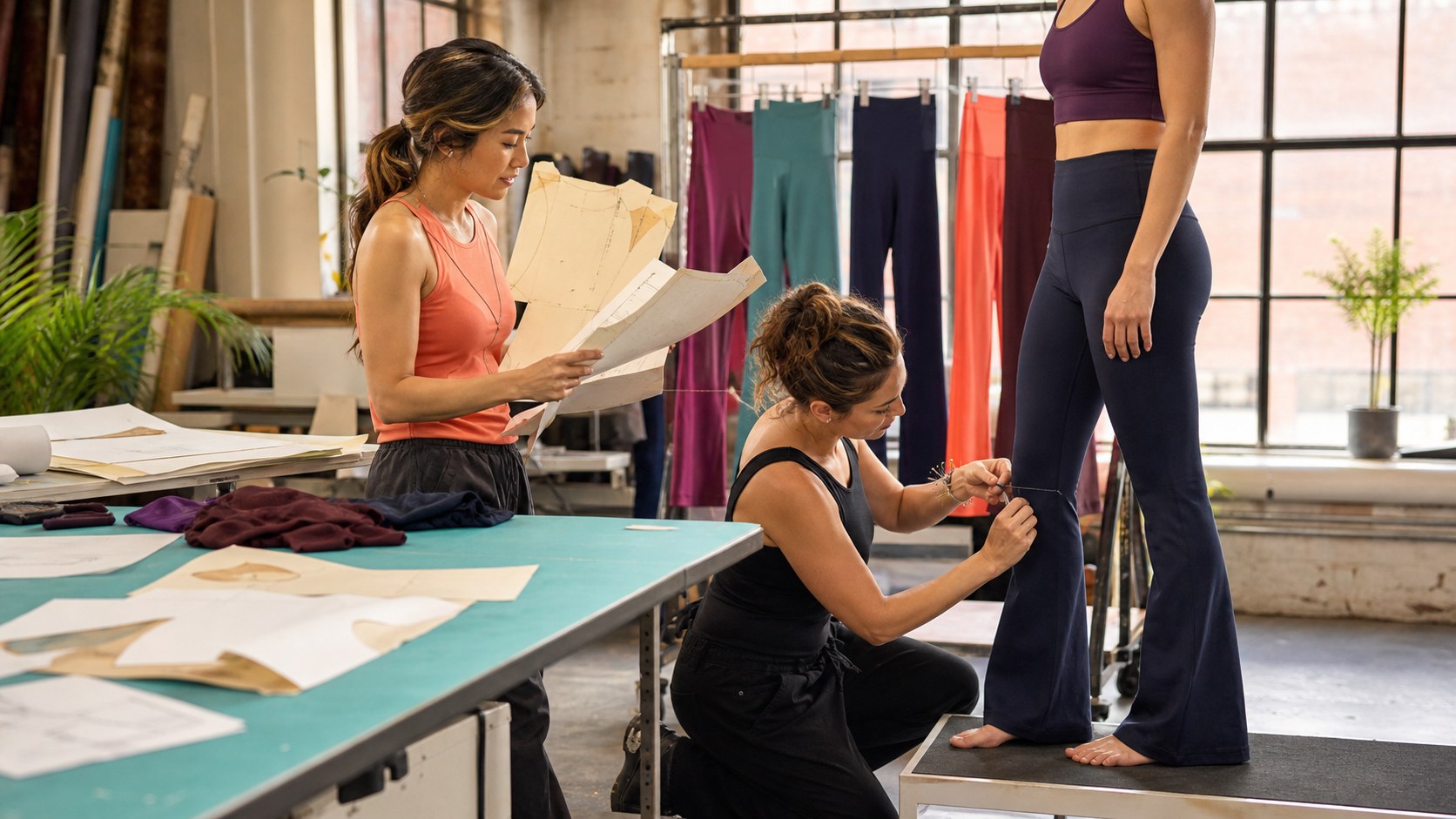
That is where Battlerobe’s Small-Batch Custom Development becomes relevant. After the customer problem is defined, the work can focus on a regular-shortened control versus a proportion-adjusted sample, with rise, knee, pocket, flare, compression, and recovery reviewed as separate decisions. Feasibility, material, MOQ, price, and lead time still require project-specific confirmation.
Battlerobe is not valuable here because it can “make petite leggings.” The useful capability is helping the founder preserve the logic of the test through pattern changes and sample iterations, so a better-looking sample does not emerge from five uncontrolled changes.
Prepare this brief before development:
- target wearer, height range, activity, and fit cluster;
- body and garment measurements from successful and rejected products;
- photos showing misplaced rise, knee, pocket, or flare;
- the control product and what must remain constant;
- the one proportion hypothesis the first round must prove;
- the sizes and number of fit testers available;
- the evidence required before adding another style or color.
Battlerobe’s guide to activewear product development explains how direction, fabric, pattern, fit, size planning, sampling, and production approval connect. If the petite block later becomes commercially proven, quality control across production matters because small shifts in rise, elastic, seam placement, or finished length can erase the fit advantage.
The opportunity is proportion confidence, not a shorter hem
Petite activewear is not an uncontested market. Dedicated brands, mainstream short lengths, petite ranges, and tailoring already solve parts of the problem. That is the strongest reason to avoid a generic launch—and the strongest evidence that a more precise fit conversation exists.
The opportunity is ready for a bounded test when a founder can name one petite fit cluster, one activity, one misplaced product architecture, and one comparison that would prove improvement. A visible fit problem is not commercially meaningful until the wearer prefers the new block strongly enough to replace a workaround.
Start with the one-week fit sprint: wardrobes, fixed landmarks, movement adjustments, and replacement behavior. Compare mainstream 7/8, dedicated petite, and customer favorites. Then test two samples with the same inseam: one merely shortened, one proportionally rebuilt.
If the second version visibly and repeatedly improves the intended fit, proceed to a disciplined micro-launch. If the improvement varies by body cluster, narrow the customer or revise the block. If a common product already wins, stop paying for uniqueness that the wearer cannot feel.
The founder best suited to this opening is not the person promising to fit every short woman. It is the person willing to choose one proportion problem, show the work honestly, and build a fit system one earned product at a time.
Sources and further reading
- International Journal of Clothing Science and Technology: Petite and regular body measurements
- University of South Africa: Garment sizing and fit for petite women using 3D body scans
- Louisiana State University: Petite women—fit and body-shape analysis
- Avo Activewear
- MAÄT Petite 1.0 Legging
- Athleta Salutation High Rise Legging
- ASOS 4505 Petite flare legging
- Who What Wear: Petite legging fit and current options